
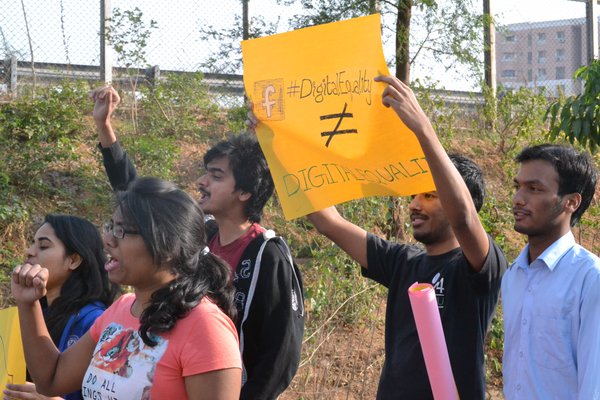

Today, India, the world’s largest democracy, has stood up for the free and open Web by passing clear net neutrality rules that ban zero rating of specific services. (Telecoms Regulatory Authority of India press release, full regulations and notes) The decision follows a broad public consultation involving over one million submissions from individual citizens, civil society and businesses.
The new “Prohibition of Discriminatory Tariffs for Data Services Regulations” state that no service provider can offer or charge discriminatory tariffs for data services on the basis of content. They explicitly outlaw zero-rating of specific services, but leave the door open to free or discounted initiatives that offer access to the whole Internet. In their explanatory notes, TRAI make clear that they have weighed up the costs and benefits, but conclude that “in India, given that a majority of the population are yet to be connected to the internet, allowing service providers to define the nature of access would be equivalent of letting TSPs shape the users’ internet experience.”
Renata Avila, Web We Want programme manager at the World Wide Web Foundation says:
“As the country with the second largest number of Internet users worldwide, this decision will resonate around the world. It follows a precedent set by Chile, the United States and others which have adopted similar net neutrality safeguards. The message is clear: We can’t create a two-tier Internet – one for the haves, and one for the have-nots. We must connect everyone to the full potential of the open Web.”
“We call on companies and the government of India to work with citizens and civil society to explore new approaches to connect everyone as active users, whether through free data allowances, public access schemes or other innovative approaches. We’re confident these regulations lay the groundwork for all Indians to benefit from the Web equally.”
The Web Foundation congratulates the citizens and civil society groups who have worked tirelessly to uphold net neutrality and stand up for a future of true digital equality. As noted by the Save the Internet Coalition, this is one victory in a long-term mission to define the future of the Internet in India. We encourage citizens to continue engaging in these discussions and make sure Indians build the Web they want together.

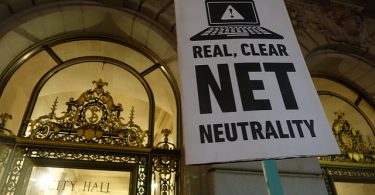


[…] wetten. Web We Want, een organisatie die campagne voert voor betaalbaar, ongecensureerd internet, zegt dat de nieuwe wetten zullen helpen om “iedereen het volle potentieel van het web te […]
[…] to a limited amount of sites one which is Facebook, and if it can survive—if Facebook can win the fight against net neutrality—the implications for online advertising could be huge in that the thousands of businesses in […]
Raymond Pettibon Oliver Augst Wooden Heart https://player.silvesterreisen.biz/67.html Jorma Panula Kamariorkesteri Spirito Taru Valjakka Matti Lehtinen Juhana Herttuan ja Catharina Jagel
Mumbai News & Coronavirus Cases & Live Updates – Check the latest Mumbai news, coronavirus headlines & breaking news about Mumbai, Corona virus, .
Deli
Excellent write-up. I absolutely appreciate this site.
Keep it up!
The objective of UP Manav Sampada to consolidate all employee data into a centralized platform is a critical step towards better workforce planning and governance for the state. By providing administrators with accurate, real-time reports on employee numbers and retirement patterns, it enables data-driven decisions on recruitment needs.
Antipublic – Stop Data Exposure Before It Destroys You
Your personal information data breach may already be live on the dark web. Antipublic reveals hidden data exposure risks and protects you from costly security breaches.
Access 33B+ leaked passwords and track 50M new records daily in real time. Scan any user, domain, or email instantly and prevent massive loss before it happens.
Only $2 unlocks full protection.
Check now: Consequences of data protection breach
|
Wow, I really appreciate this article! It’s interesting to see how India’s decision to ban zero-rating services might reshape the digital landscape there. I’ve often thought about how connectivity impacts everything, from gaming access to educational resources. As someone who’s played games that require a decent internet connection, it’s frustrating when barriers like zero-rating prevent fair access. This move could empower more users and level the playing field in tech—it’s not just about games; it’s about equal Snow Rider opportunities for everyone online. Can’t wait to see how this unfolds!
India making this massive move for net neutrality is an absolute win for the open web. Zero rating completely ruins the playing field by letting giant tech monopolies subsidize their own data. As an independent developer who builds simple web apps and indie Clicker Games, I rely on a fair internet where users can access my niche sites without extra fees. Walled gardens kill innovation entirely. I am so glad to see a firm stand against corporate greed right now.